
Draped Bust Quarters
(1796 - 1807)
The Draped Bust Quarter was first issued in 1796, marking the beginning of quarter-dollar production in the United States. The obverse features Liberty with flowing hair and drapery at the neckline, while the reverse initially displayed a Small Eagle (1796) before transitioning to the Heraldic Eagle design in 1804–1807.
These early quarters were struck in the original federal silver standard of approximately 89.24% silver and 10.76% copper. Production was limited, and mintages were generally low, particularly for the inaugural 1796 issue, which is a one-year type and highly desirable among collectors.
Because of their age, modest mintages, and two distinct reverse designs, Draped Bust Quarters are considered foundational pieces in early U.S. silver coinage and remain prized in all grades today.

Check out dates & mintages for Draped Bust Quarters, below.Business Strikes
Type 1, Small Eagle
1796 | 6,146
Type 2, Heraldic Eagle
1804 | 6,738
1805 | 121,394
1806 | 206,124
1807 | 220,643
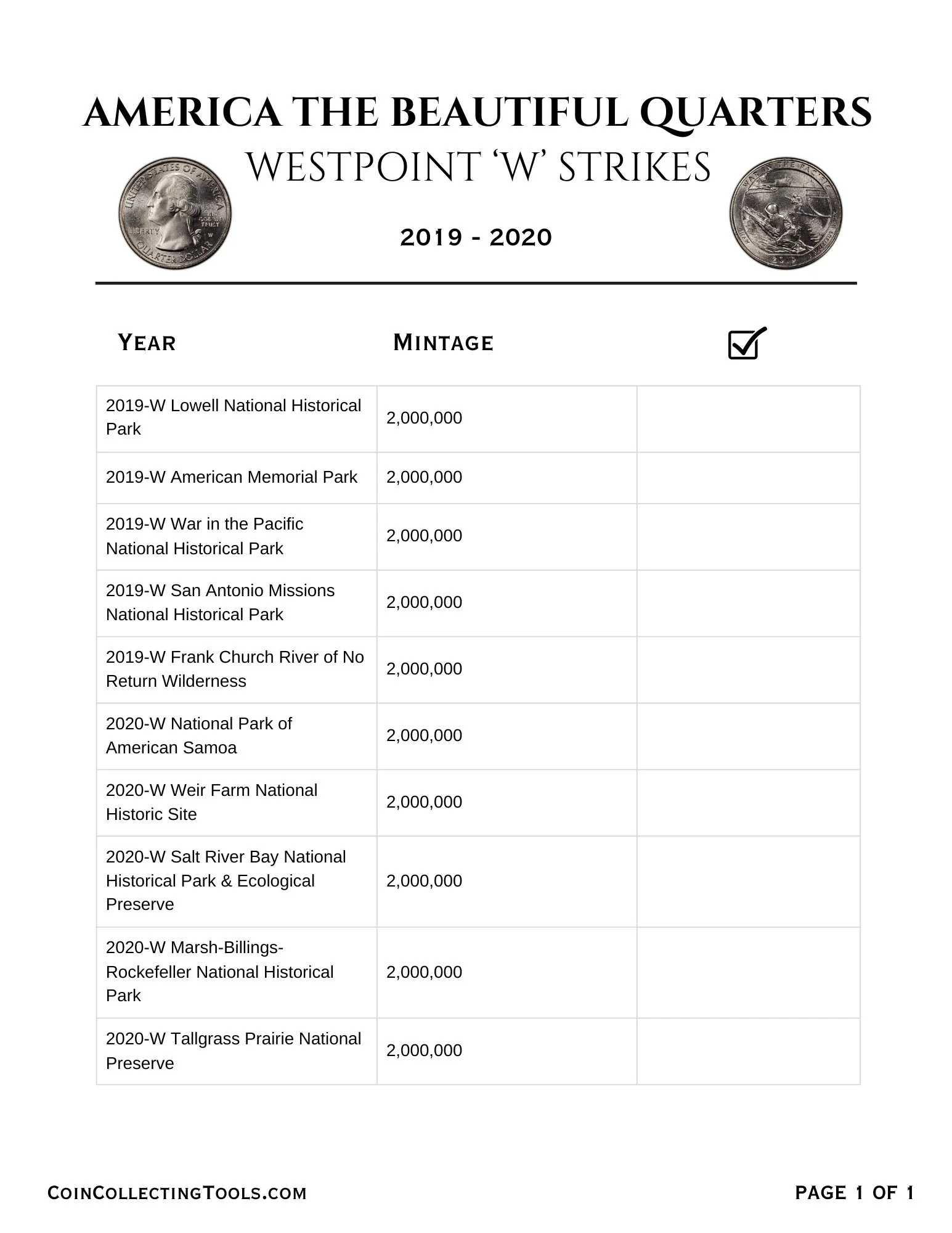
If You Collect U.S. 25-Cent Coins, Check Out The ‘Washington ATB Quarters, WestPoint Strikes’ Type Set!

Check Out Our Guide to Identifying U.S. Constitutional Silver Coins
Think you might have silver coins in your pocket change? Learn the quick ways to spot United States Coinage made of silver by date, edge color, weight, and more.
Click HERE for the full guide