
What U.S. Coins are Made of Silver?
The Complete Guide
DENOMINATION
Three-Cents
Three-Cents
Nickels
Half-Dimes
Dimes
Twenty-Cents
Quarters
Half-Dollars
Half-Dollars
Dollar Coins
Dollar Coins
YEARS
1851 - 1853
1854 - 1873
1942 - 1945
1792 - 1873
1769 - 1964
1875 - 1878
1796 - 1964
1794 - 1964
1965 - 1970
1794 - 1935
1971 - 1974
SILVER CONTENT
75%
90%
35%
90%
90%
90%
90%
90%
40%
90%
40%
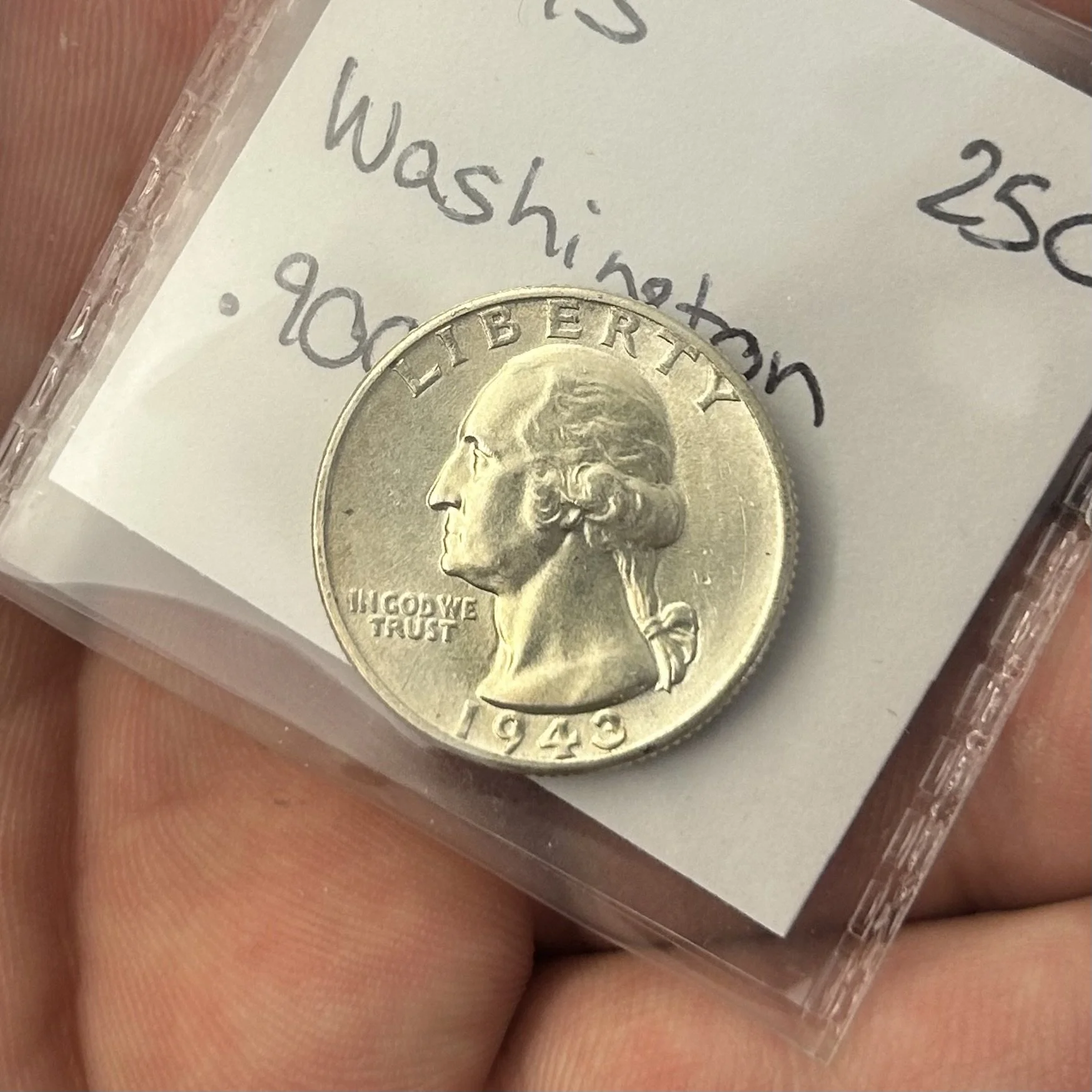
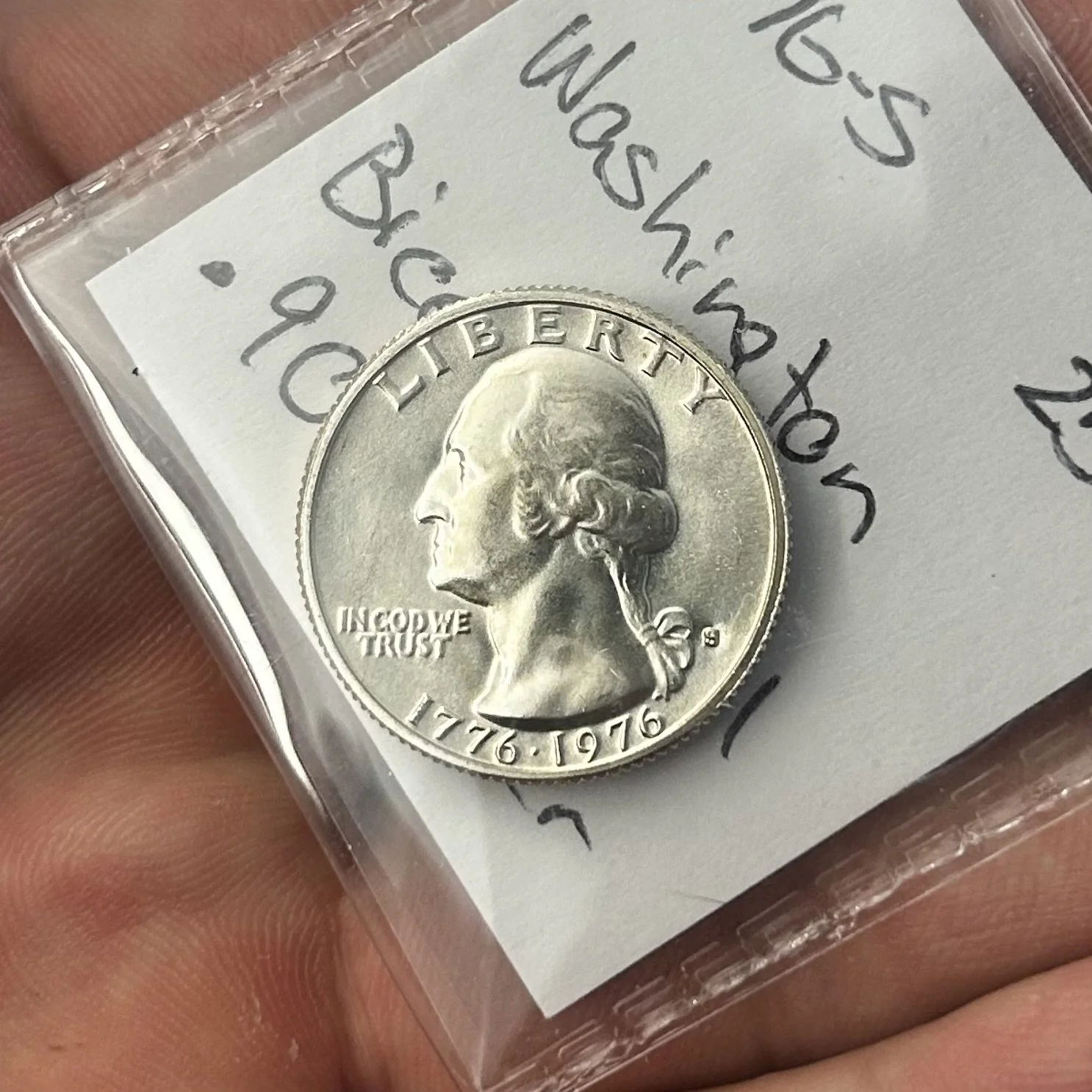
Look for the Solid Silver Edge
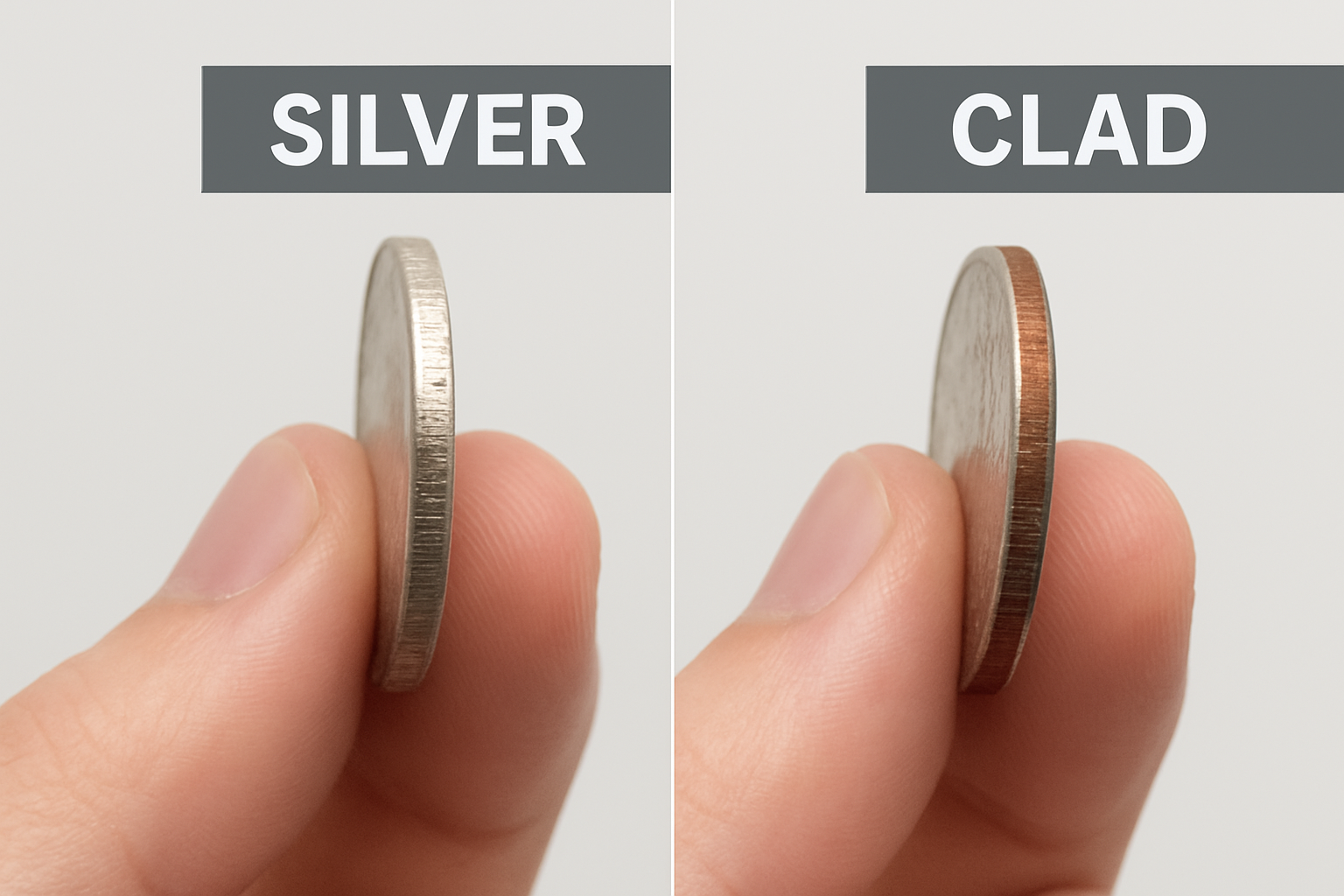
One of the easiest ways to identify what U.S. coins are made of silver is by looking at the edge. Older U.S. dimes, quarters, and half dollars struck in 90% silver show a solid silver edge all the way around. By contrast, modern clad coins reveal a copper-colored stripe sandwiched between two layers of nickel, making them easy to tell apart at a glance.
This quick edge check is especially useful when coin roll hunting or sorting through pocket change, since silver coins immediately stand out from their copper-based counterparts. Even today, many modern proof strikes—such as silver proof sets from the U.S. Mint—still use real silver, and they show the same clean, solid edge collectors have relied on for decades.
Silver Coins are Heavier
Another reliable way to identify silver coins is by checking their weight. Genuine 90% silver U.S. dimes, quarters, and half dollars are slightly heavier than their modern clad counterparts. Using a small digital scale, collectors can quickly confirm if a coin matches the expected silver weight, making this method especially valuable when verifying silver coins.

1950 Roosevelt Dime (90% Silver)
Weight: 2.50g
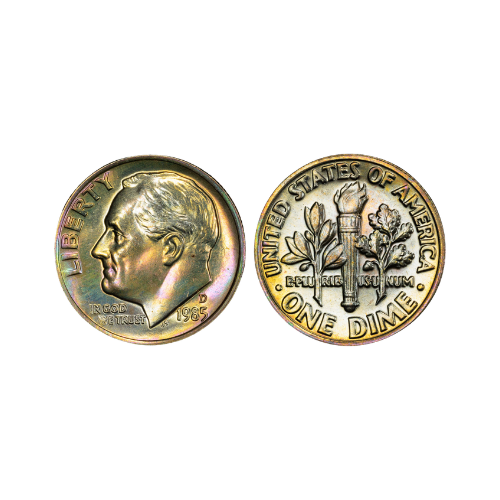
1985-D Roosevelt Dime (Clad)
Weight: 2.27g
From checking for a solid silver edge to verifying the weight with a digital scale, collectors have several reliable ways to spot silver in U.S. coins. While everyday circulation no longer includes silver coinage, many pieces remain in collections, coin rolls, and modern U.S. proof strikes. Knowing how to identify them ensures you never overlook valuable silver coin.